

Bikepackia
EuroVelo · Italy

Ride Italy, Alps to Sicily.

Four signed EuroVelos cross Italy — the Via Francigena to Rome, the Ciclopista del Sole the full length of the peninsula, the Po-valley Mediterranean Route and a short Trieste crossing. Explore them, then send one straight to the planner.

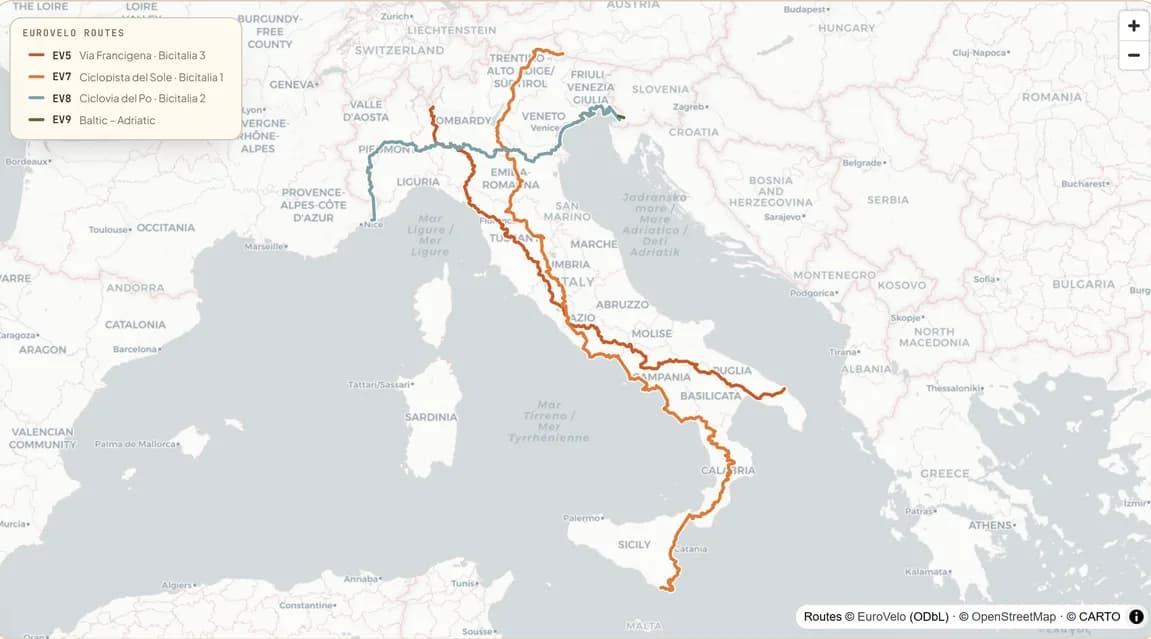
Map of Italy including Sicily with four signed EuroVelo routes — EV5 the Via Francigena from Lake Como to Brindisi, EV7 the Ciclopista del Sole from San Candido to Pozzallo, EV8 the Mediterranean Route across the Po valley from Turin to Trieste, and EV9's short Trieste excursion.
4
national routes
~5,100 km
EuroVelo signed
20 routes
Bicitalia network
Why Italy

Four signed lines, Alps to Sicily.

Italy’s four signed EuroVelo routes are integrated into Bicitalia, the national cycling network of around 20 long-distance routes. The country’s traffic-free backbone combines northern greenways and canal-side paths — including the Po Cycle Route and the Adige cycleway skirting Lake Garda — with a growing network of converted railway greenways in the south.

Cycle tourists are well served by FIAB’s Albergabici scheme, which lists more than 2,000 bike-friendly accommodation providers across the country. The standout route is the Ciclopista del Sole, a nearly 1,970 km north-south spine that runs from San Candido in the Dolomites through Verona, Florence and Rome before reaching Pozzallo on the southern tip of Sicily.

From Alpine peaks and vineyard-covered valleys to Renaissance cities, rolling countryside and Mediterranean coastlines, Italy offers one of Europe’s most varied long-distance cycling experiences.

The mapHover a route to trace it

Four EuroVelos across Italy.

Italy's four signed EuroVelos, clipped from the official GPX tracks. Hover a line or its legend entry to trace it — the full-peninsula Ciclopista del Sole, the Via Francigena to Rome, the Po-valley Mediterranean Route and EV9's brief Trieste excursion — then tap through to the route.

Interactive map loads as you scroll
National & regional infoBackground, not booking

The bodies behind the network.

The national organisations that coordinate, sign and map Italy's cycle routes — here for context and credibility. No need to leave to plan: your route and every place to stay come together in the Bikepackia planner.

The routesTap a card to learn more

Four ways through Italy.

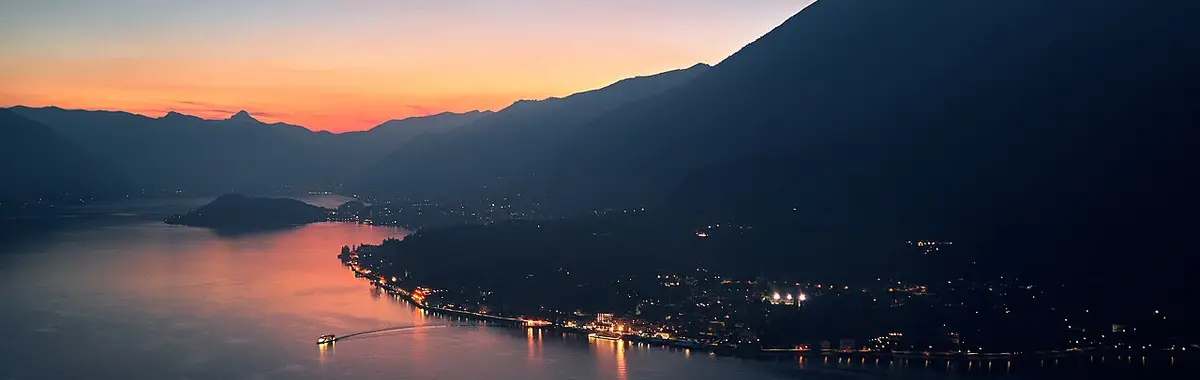
Lake Como at sunset
Lake Como at sunset
Photo: Deensel / Wikimedia Commons (CC BY 2.0)

Via Romea (Francigena)

Via Francigena · Bicitalia 3LAKE COMOBRINDISI

Italy's pilgrim spine — Sigeric's medieval road to Rome, then on to the Adriatic ports. From Lake Como it crosses the flat Po plain, climbs the Cisa Pass into Tuscany, threads abbeys and hill towns to Rome, then runs the Southern Apennines down to Brindisi. Long and varied, with real climbing despite the flat north; EuroVelo recommends taking the train over the Palagiano–Taranto section. The ~1,700 km is a sourced sum, not a single EuroVelo figure.

~1,700 km18–24 daysModerate–Hard
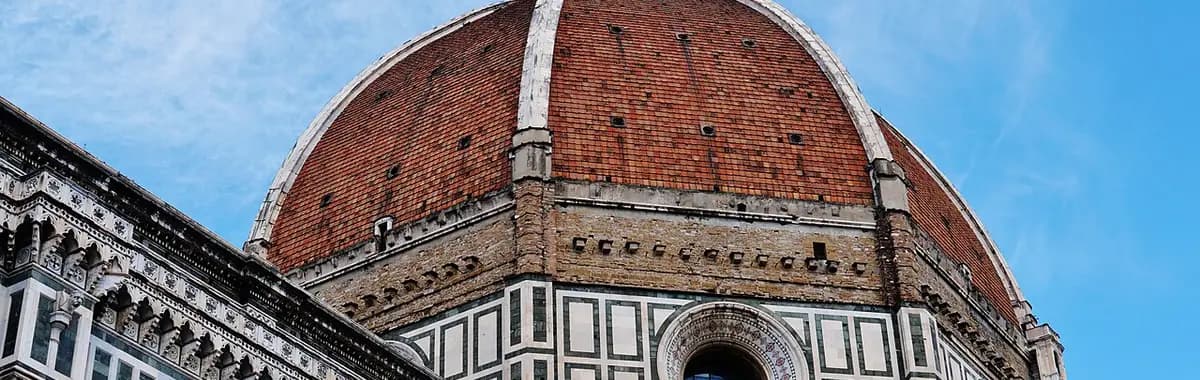
Florence Cathedral, on the Ciclopista del Sole
Photo: Zairon / Wikimedia Commons (CC BY 4.0)

Sun Route

Ciclopista del Sole · Bicitalia 1SAN CANDIDOPOZZALLO

The headline ride — the full length of Italy in one line. From the Dolomite gateway at San Candido it drops to Lake Garda and Verona, crosses Bologna and Florence, reaches Rome and Naples, then climbs through Calabria's Pollino and Sila parks before crossing to Sicily and Pozzallo. EuroVelo says more than a quarter of the whole Sun Route runs in Italy, from San Candido to Pozzallo — which works out to roughly 1,970 km. The Calabrian leg alone packs more than 9,000 m of ascent; the line runs largely on asphalted, low-traffic roads with named greenway stretches. The most complete and most-ridden national corridor.

~1,970 km24–30 daysHard
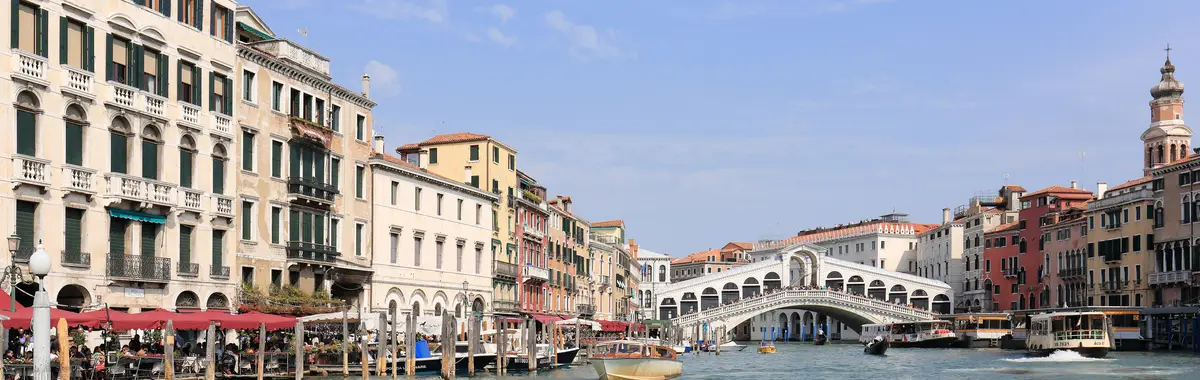
Grand Canal, Venice
Grand Canal, Venice
Photo: Martin Falbisoner / Wikimedia Commons (CC BY-SA 4.0)

Mediterranean Route

Ciclovia del Po · Bicitalia 2TURINTRIESTE

The flattest of the four — rice fields and the Po, then the lagoon and the Adriatic coast. From Turin it threads the Po Cycle Route east across the valley, pivots at Venice and runs the coast up to Trieste and the Slovenian border. Predominantly flat and suitable for most riders, but the development status is mixed and some sections are on-road; the undeveloped Roja-valley approach near Ventimiglia in the west is best skipped by train. EuroVelo gives the in-Italy section as 715 km.

715 km8–12 daysEasy–Moderate
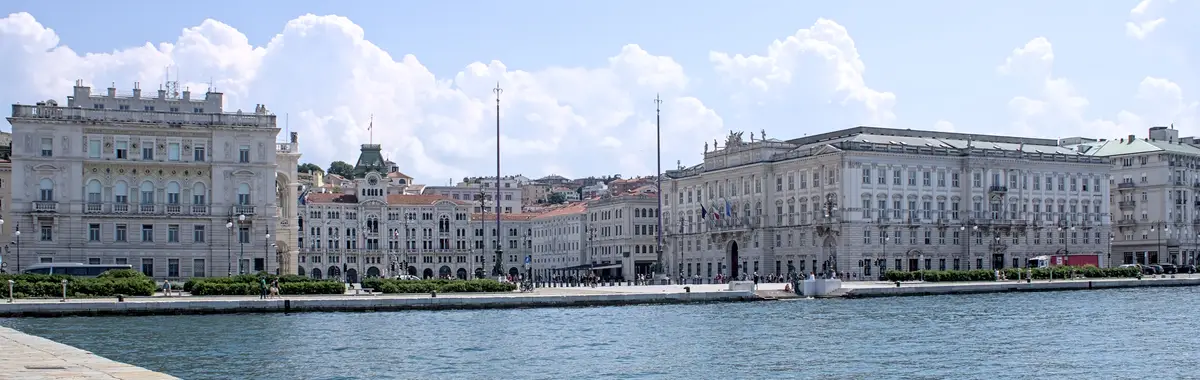
Piazza Unità d'Italia, Trieste
Photo: Alexander-93 / Wikimedia Commons (CC BY-SA 4.0)

Baltic – Adriatic

Baltic – AdriaticTRIESTETRIESTE

Italy's briefest EuroVelo crossing — a short Trieste excursion of roughly 25 km, a half-day rather than a tour. The route enters from Slovenia near Muggia, passes through Trieste and the Piazza Unità d'Italia, then crosses the border south into Slovenia again. The Italian section is still under development and may use busy roads, so the ~25 km is an estimate; it earns a card as a legitimate signed crossing, not for its mileage.

~25 km<1 daysEasy
Before you rideItaly, the practical bits

What every bikepacker asks about Italy.

Is wild camping allowed in Italy?

Generally no. Campeggio libero is prohibited and the rules are set region by region; fines run roughly €100–€500, around €300 near the coast and higher in national parks. There are blanket bans in Sardinia, Veneto and Friuli Venezia Giulia — the EV9/EV8 north-east corner. Trentino-Alto Adige tolerates a bivacco (one night, pitch at dusk, gone at dawn) only where it isn't explicitly banned, and all South-Tyrol national parks ban it; Val d'Aosta allows a bivouac above 2,500 m except in Gran Paradiso. A discreet dusk-to-dawn bivouac away from parks and the coast is tolerated in practice but never guaranteed legal — campsites are the safe call.

Which season is best for bikepacking Italy?

Spring (April–May) and autumn (September–October) are best overall — around 20–25 °C and quieter. Avoid July and August, when 30 °C-plus heat sits over the Po plain and the south and the mid-August Ferragosto shutdown empties services. The Alpine north — the Dolomites and the high passes — only opens up reliably June to September, with snow on the high cols outside that window. Sicily and the deep south ride well into the cooler shoulders, even October to April.

Any cycling regulations I should know about?

A few worth knowing under the Codice della Strada. There's no helmet law for adults — it's mandatory only for minors in some contexts (a universal-helmet bill was debated in 2025–26 but isn't yet law, so check before you go). A reflective hi-vis vest or sash is mandatory outside built-up areas from sunset to 30 minutes before sunrise, with a €24–€97 fine. There's no national front/rear light law, but lights are strongly advised to stay visible. Ride on the right, single file outside towns; cars must leave 1.5 m when overtaking.

What should I expect as a bikepacker in Italy?

A national framework rather than one branded scheme — Bicitalia's ~20 long-distance routes, with FIAB's Albergabici listing 2,000-plus cyclist-friendly beds. The network mixes flat Po-valley greenways and canal paths, the Adriatic coast cycleway and ex-railway greenways in the south, but big stretches of the EuroVelo lines are still on low-traffic roads rather than segregated path, which is why no car-free % is published. Bikes on trains: regional trains take an assembled bike for a €3.50 supplement (book the bike space), while the high-speed Frecce take only a folded or bagged bike (free, bag mandatory, max 80×110×45 cm). Resupply is dense in the north and along the coasts and thinner in the Apennine and Calabrian interior — carry water on the climbs.

READY WHEN YOU ARE

Pick the route. We'll plan the rest.

Drop a EuroVelo into the Bikepackia planner and turn the line on the map into rideable days — surface-aware routing, elevation, water, food and a bed every night.